



Building Trust in a High Risk Category
Some categories reward clever positioning and fast creative iteration because the downside of disappointment is inconvenience. Infant sleep is not one of those categories. Every purchase feels final. And every product promises something that cannot be taken lightly: safety.
That is what makes Newton Baby such a compelling Brand Study. The company did not emerge by leaning into fear or chasing trends. It grew by rethinking what safe sleep actually means, engineering a better solution, and backing every claim with proof rather than marketing language.
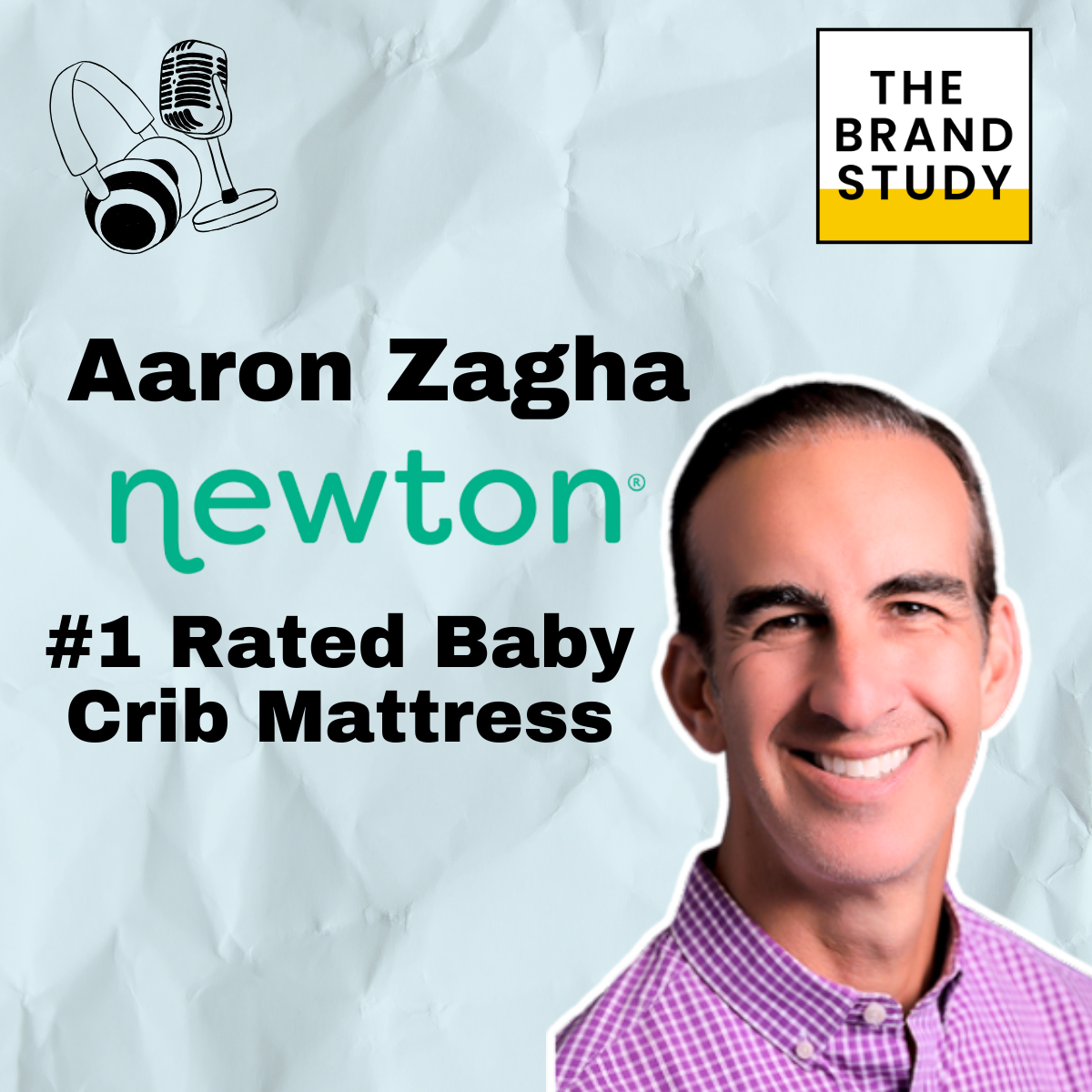
At the center of that effort is Aaron Zagha, Chief Marketing Officer at Newton Baby, who has helped guide the brand from an early-stage startup into one of the most trusted names in infant sleep. Newton’s mission, as Zagha describes it, has always been simple and demanding at the same time: to combine strict safety standards with thoughtful design in order to give babies the safest and best sleep possible.
That focus on innovation and transparency has not only built a loyal customer base, but has also raised expectations across a category that had remained largely unchanged for decades. Since launching, Newton has expanded its presence online and in retail, earned industry recognition, and established itself as a leader in safe sleep by doing something rare in consumer products: proving its claims. This is the story of how Newton disrupted a stagnant category, earned trust in one of the highest-stakes markets imaginable, and built a brand that continues to scale without compromising its core principles.
The Product Breakthrough: Reimagining the Crib Mattress
Newton’s story begins not with branding or positioning, but with materials. The company was launched to commercialize a new kind of crib mattress, one that challenged nearly every assumption about how infant sleep products were built. As Aaron Zagha explains, most crib mattresses at the time were “typically hunks of foam, maybe some springs,” wrapped in plastic and designed more for durability than performance.
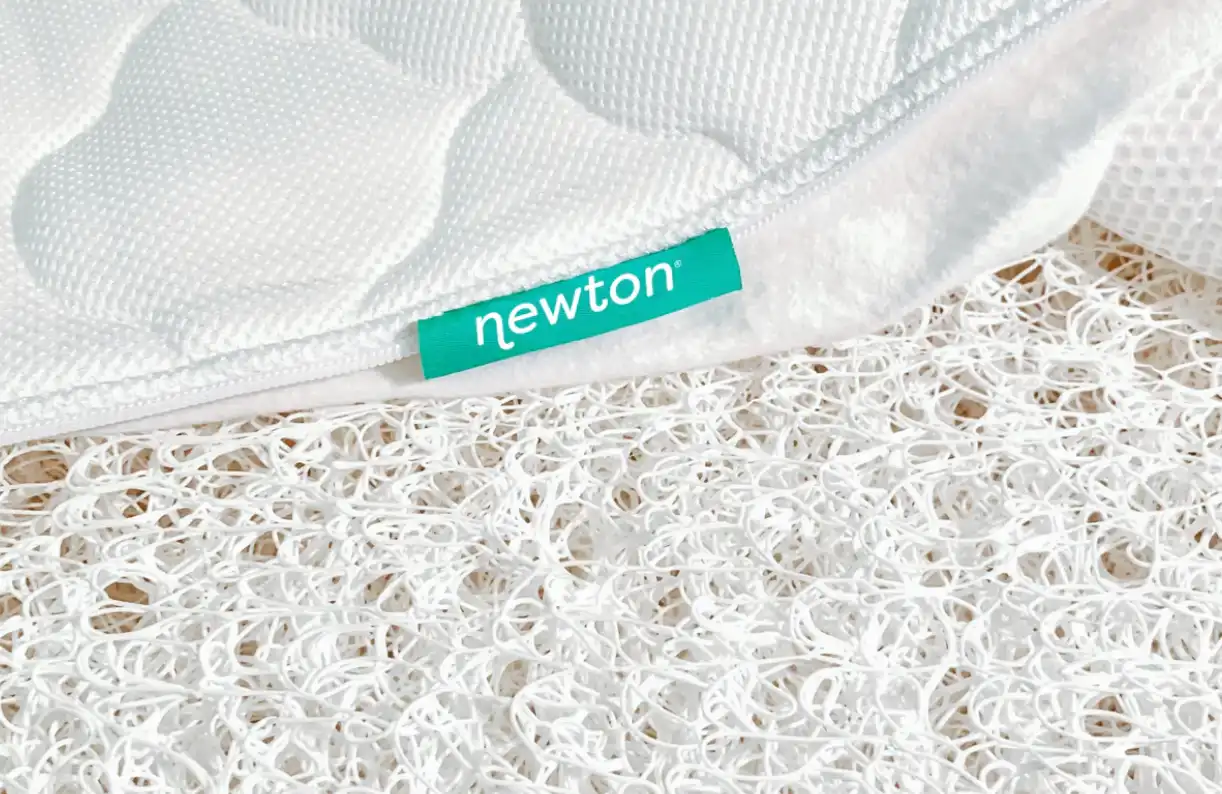
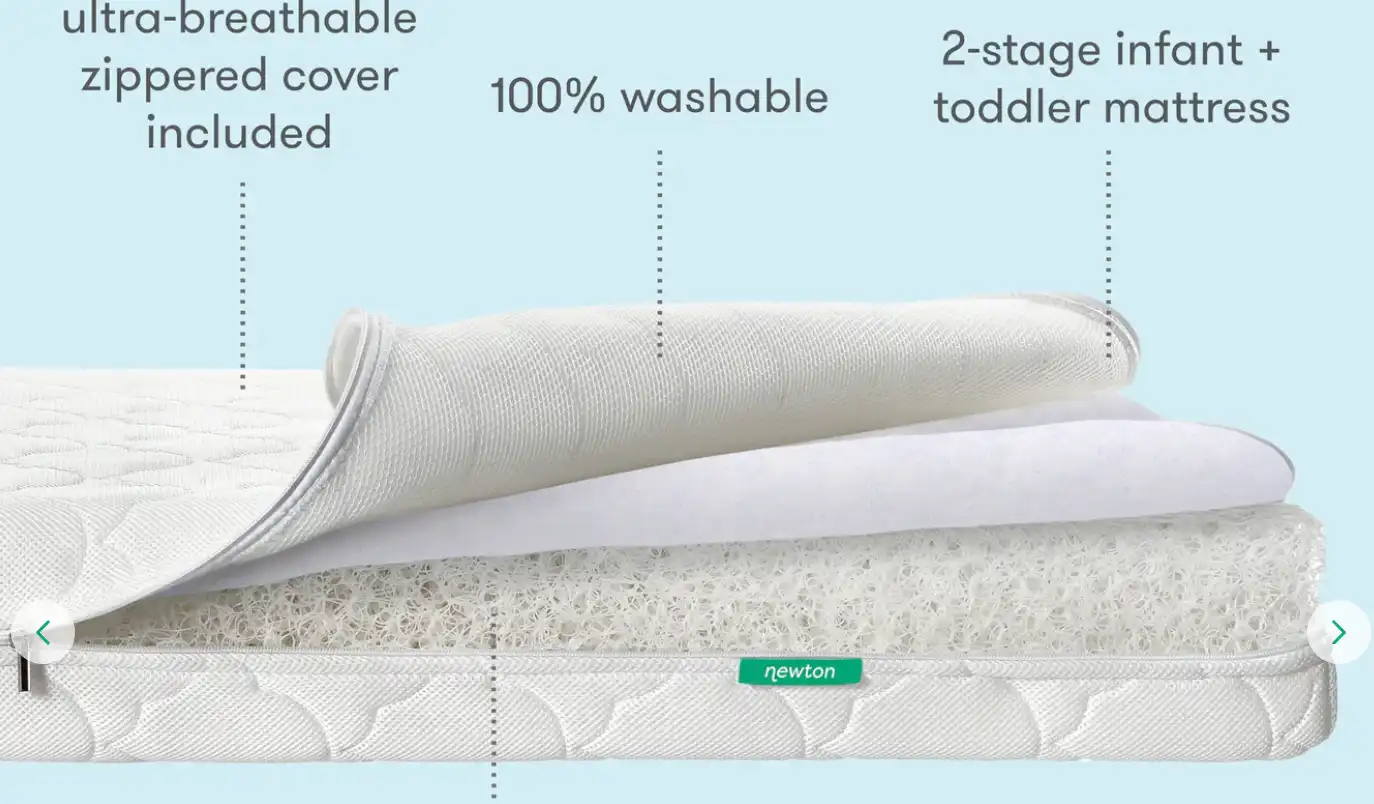
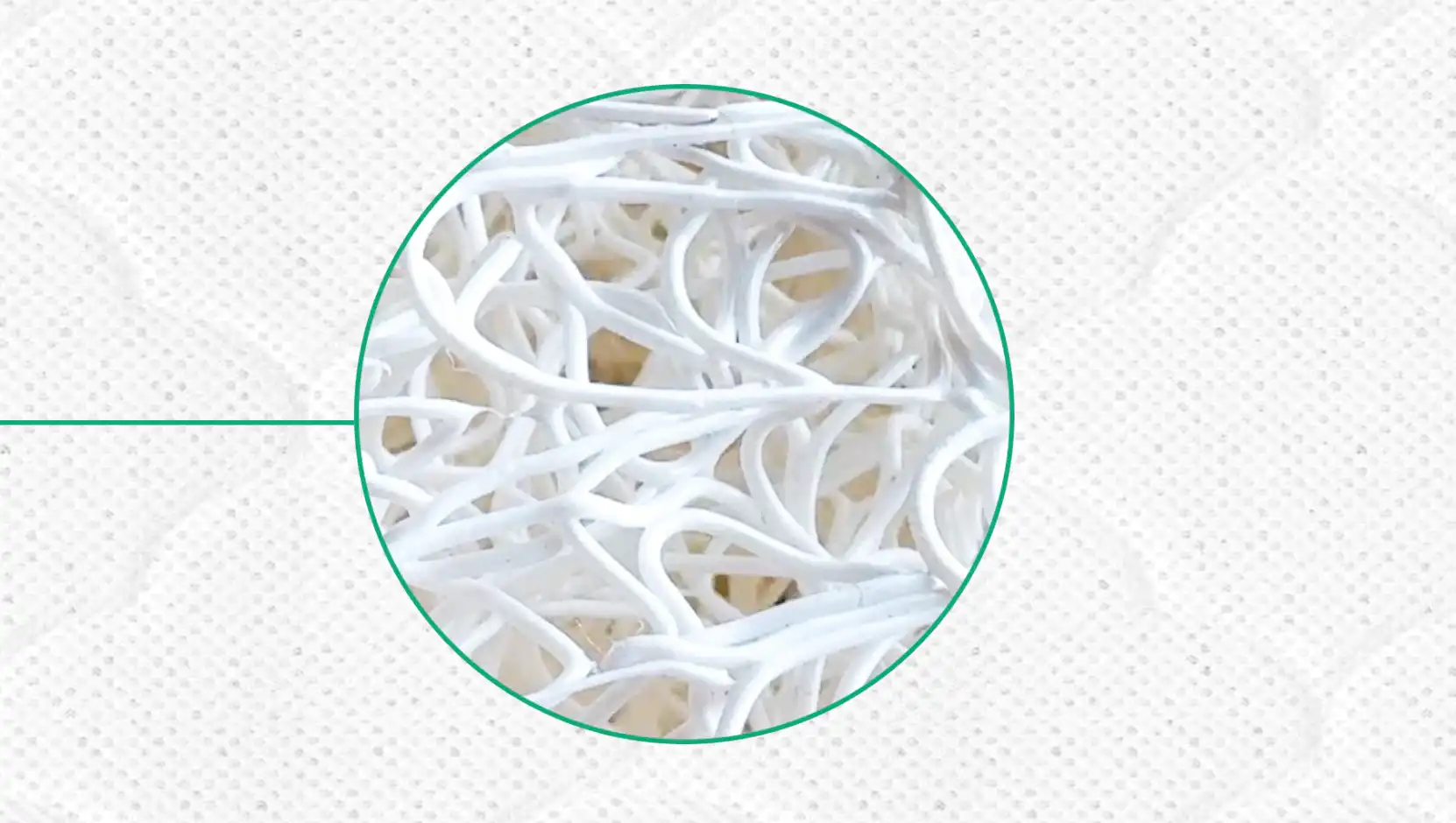
Newton took a different approach. Inside its mattress is a patented material called woven air. Visually, it resembles a mass of intertwined noodles. Functionally, it changes everything. The structure is ninety percent air by volume, which means air can move freely through the mattress rather than being trapped beneath a sealed surface. The result is dramatically improved breathability and cooler sleep.
But the innovation does not stop there. The design also allows the mattress to be cleaned in ways traditional products cannot. The cover can be machine washed, and the core itself can be rinsed in a shower or even hosed off outdoors. For parents dealing with inevitable messes, this transforms the mattress from a delicate object into something practical and durable. Most importantly, the design delivers on what parents care about most. As Zagha explains, early testing showed that Newton’s mattress had demonstrably lower suffocation risk than anything else on the market. That combination of breathability, washability, and safety formed the foundation of the brand. It was not innovation for innovation’s sake. It was a direct response to a problem parents had been living with for decades.
Solving a Personal Problem
Newton’s origin story is rooted in lived experience. Founder Michael Rothbard had spent his career in the sleep industry, first with foam toppers and later through white-label manufacturing for large retailers. He understood materials, supply chains, and the economics of sleep products better than most.
What changed everything was becoming a parent. While exploring new materials for adult mattresses, Rothbard realized that the woven air technology he had discovered could solve a problem in an entirely different category. His own children were not sleeping well, and the more he examined crib mattresses, the more obvious the gap became. Nearly all were dense, plastic-wrapped foam slabs with little consideration for airflow or comfort.
The insight was simple but powerful. Babies spend a significant portion of their lives sleeping. The surface they sleep on should matter. Because Rothbard had deep category experience, he was able to validate the idea carefully. He worked closely with suppliers, visited factories, confirmed material safety, and tested prototypes at home with his own children. The material itself was food-grade, comparable to what is used in everyday consumer products, and compliant with existing safety standards. This combination of professional expertise and personal motivation gave Newton a rare advantage. The product was not created to fill a market gap. It was created to solve a problem the founder understood intimately.
Educating a Market That Was Not Asking Questions
Even with a superior product, Newton faced an uphill battle. The crib mattress category had long been treated as an afterthought. Many parents purchased whatever came with the crib or chose the least expensive option without much consideration. As Zagha explains, “Historically, a crib mattress wasn’t something that anyone thought about.” Yet when the differences were explained, the logic became obvious. Babies spend up to half their time sleeping. The surface they sleep on matters.The challenge was price. Newton’s mattress cost four to five times more than traditional alternatives. That meant the brand had to do more than sell a product. It had to change behavior. The breakthrough came when Newton stopped trying to convince and started letting people experience the difference.
Breathe to Believe
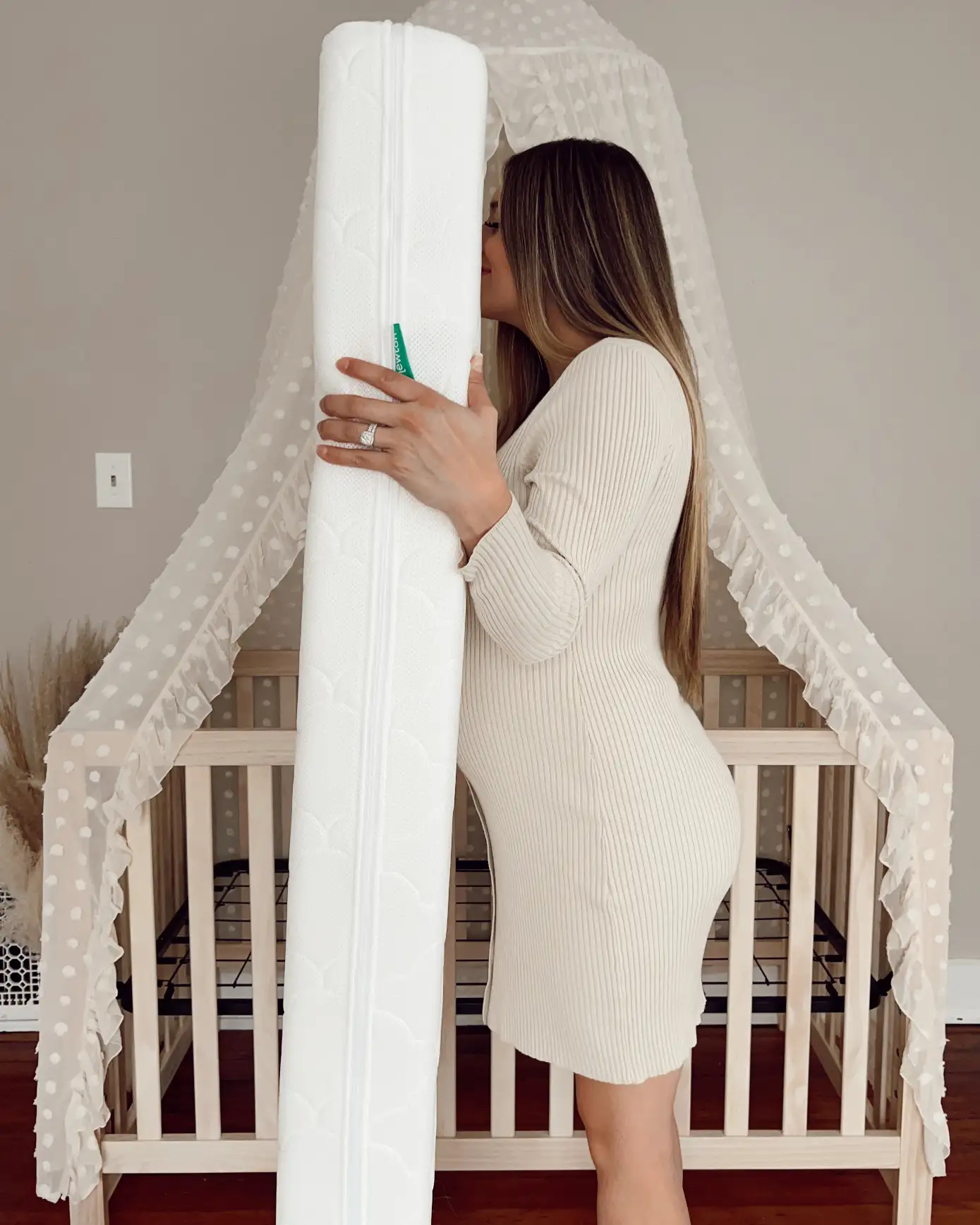
One of Newton’s most effective moments of validation came from a simple act. Customers were encouraged to place their face into the mattress and breathe. The result was immediate. As Zagha explains, “We call it the breathe to believe challenge.” The moment someone tries it, the product’s benefit becomes self-evident. Air flows freely. Breathing feels natural. There is no abstraction required. This experience became a defining brand moment because it allowed customers to verify Newton’s claims without relying on marketing language. It also created a story worth sharing. Parents showed friends. Retail shoppers tested it in stores. The product demonstrated its value in seconds. That moment of physical proof became the foundation of Newton’s credibility.
Building a Brand on Proof, Not Fear
Marketing infant products comes with a unique responsibility. Fear can drive conversions, but it erodes trust over time. Newton made a deliberate decision to avoid scare tactics, even when the category made them tempting. Early in the brand’s history, ads leaned too heavily into fear-based messaging. Those were quickly retired. Zagha explains that while suffocation is a real risk, the company chose to avoid framing its message around worst-case scenarios.
Instead, Newton repositioned its narrative around empowerment. The brand focused on helping parents feel confident rather than afraid. It emphasized benefits such as improved sleep quality, better temperature regulation, and overall peace of mind. Supporting this shift was data. Independent studies showed that babies slept longer and more deeply on Newton mattresses. Rather than highlighting danger, the brand leaned into positive outcomes. The message became clear. Newton was not selling fear avoidance. It was selling better sleep.
Community as a Growth Engine
From the outside, Newton’s growth can look like the result of strong marketing execution. From the inside, it looks far more organic. The brand’s real engine has always been its community, a network of parents who not only purchase the product, but actively participate in shaping its evolution.
That dynamic started early. As Aaron Zagha explains, one of the first signals that Newton had created something meaningful was the response from customers themselves. “The reviews have always been insanely positive,” he says. “Giving parents peace of mind is a big deal. They’re very vocal about it. We hear all the time how much better they sleep knowing their baby is sleeping safely.”
That emotional response turned into momentum. Parents told friends. Friends told family. Over time, word of mouth became Newton’s strongest acquisition channel. In post-purchase surveys, the number one answer to how customers discovered the brand was consistently the same: friends and family. The company leaned into that behavior rather than trying to replace it with paid spend. A private Facebook group grew organically into a community of more than forty thousand parents. What started as a place for discussion evolved into a powerful feedback loop.
Parents asked questions, shared experiences, and offered candid insight into what was working and what wasn’t. “We always ask them what we should make next,” Zagha explains. “We run polls about colors, features, pricing, bundle ideas. We’ll ask things like, ‘Help us design the ultimate sleep bundle.’ And they actually do.” That input directly influences product development. The team watches patterns in questions, reviews, and unsolicited messages. When customers repeatedly ask for a feature or variation, it becomes a signal. Zagha notes that some of the most valuable insights come from messages that are not prompted at all. “When someone goes out of their way to say, ‘Hey, when are you going to launch this in another size?’ or ‘I wish this existed,’ that’s a really strong indicator of demand.”
The result is a feedback-driven roadmap that feels organic rather than imposed. Customers do not feel marketed to. They feel heard. That sense of participation also reinforces trust. Parents are not just buying a mattress. They are joining a community that shares information, normalizes anxieties, and reinforces the idea that they are not navigating early parenthood alone. In a category where uncertainty is constant, that sense of shared experience becomes a powerful differentiator.
Scaling Thoughtfully Through Retail
Newton’s expansion into retail followed the same philosophy that guided its product development: move deliberately, protect the brand, and avoid growth that compromises trust. The broader baby retail landscape had already shifted dramatically by the time Newton reached scale. Traditional baby stores had disappeared. Large chains had gone bankrupt. Many brands were forced to rely entirely on direct-to-consumer channels. Newton, however, had built its foundation online from the beginning. “We were always DTC first,” Zagha explains. “That’s in our DNA.” That foundation allowed the company to weather industry shifts and scale during periods when other brands struggled. When Newton eventually entered retail, it did so strategically, not out of necessity.
The decision to launch in Target was not about chasing volume. It was about presence. “There are still people who want to see and touch a product before buying,” Zagha says. “And there aren’t many places left where you can do that with crib mattresses.” Target offered something different. It offered visibility. It offered credibility. And it offered a way for customers to experience the product firsthand, including the breathability that defines the brand. From a strategic standpoint, the move was treated as an experiment. Zagha viewed retail as a billboard as much as a sales channel. “I didn’t know if it would be entirely incremental,” he says. “It might pull some volume from DTC. But having an end cap in hundreds of stores with a big Newton presence, that has value on its own.”
The launch brought new challenges. Retail packaging had to be redesigned. Compliance standards changed. Production timelines tightened. Inventory risk increased. The internal workload expanded significantly. “It definitely strained the team,” Zagha admits. “There are a lot of requirements, and the timelines are tight. But we felt it was worth it.” What made the transition manageable was Newton’s scale and discipline. The company was not relying on retail to survive. It was using retail to extend reach and reinforce trust. Because of that, Newton did not need to compromise its messaging or pricing to fit the channel.
Unlike many brands that rely heavily on in-store promotions, Newton continued to lean on its digital presence to support awareness. “We already serve a massive number of impressions online,” Zagha notes. “So we didn’t need to rely on in-store marketing to carry the load.” Retail became a complement, not a crutch.
That restraint is what allowed Newton to expand without losing its identity. The brand did not chase shelf space for the sake of growth. It chose locations that aligned with its values, supported its storytelling, and allowed customers to experience the product the way it was meant to be experienced.
Product Expansion Without Dilution
As Newton grew, it expanded carefully. Every new product had to meet the same safety and performance standards as the original mattress. Bassinets, pack and plays, cribs, and kids mattresses all used the same core principles. Breathability. Washability. Durability. Even pet beds followed the same logic, using the same material to provide cooler sleep for animals.
Innovation was guided by real feedback. Community input, review analysis, and direct customer messages shaped the roadmap. If a feature could not materially improve safety or usability, it was not pursued. This discipline allowed Newton to expand without weakening its identity.
Looking Forward: Beyond Baby
Newton’s long-term vision extends beyond infant sleep. The company has already begun expanding into products for older children and families, gradually shifting toward a broader lifestyle brand.
The logic is simple. Better sleep leads to better days. Well-rested children play better. Well-rested parents function better. The same principles that built trust in infant sleep can extend into other areas of family life. As Zagha notes, the brand has already begun moving in that direction, expanding into kids products, pet beds, and play-related categories, all anchored in the same material science and commitment to safety.